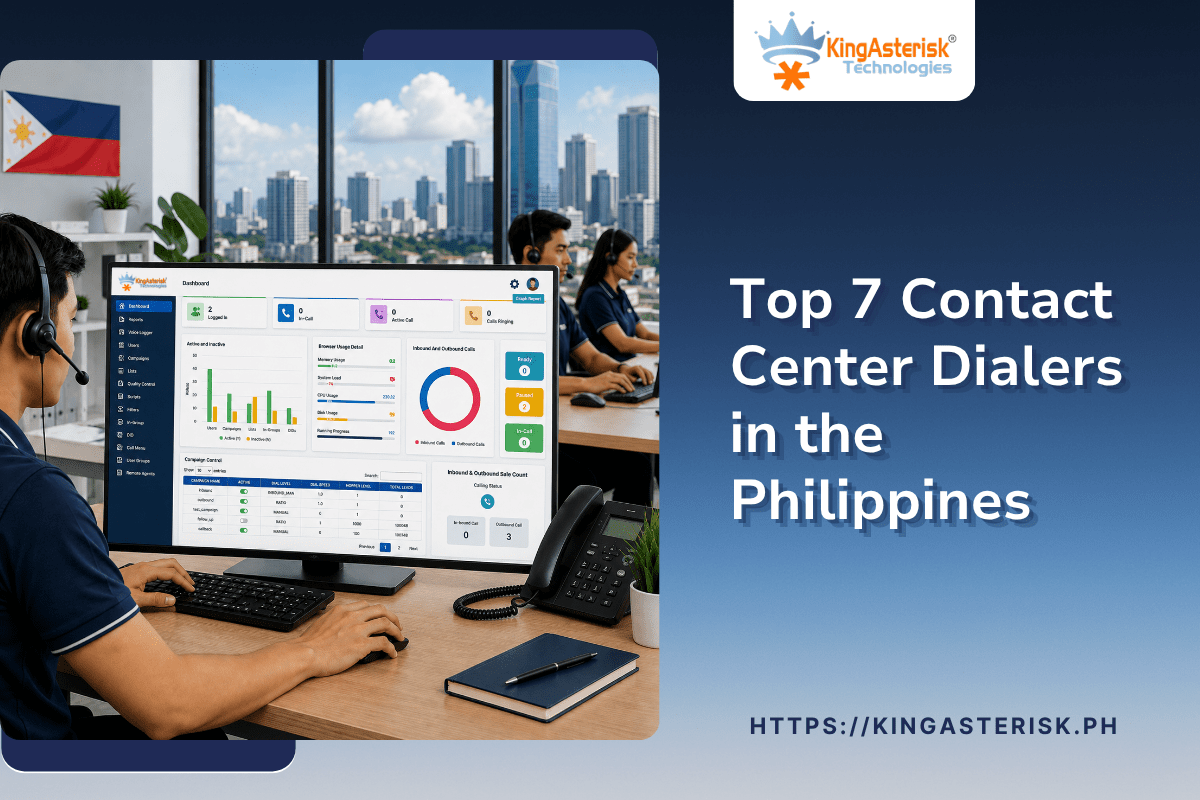
Contact Center Dialers Philippines options have multiplied over the past few years, giving operators in Manila, Cebu, and Davao far more ways to run outbound campaigns without sacrificing connection quality. This guide breaks down the seven dialer systems most commonly deployed across Philippine BPOs and in-house support teams.
It explains how each one paces calls and handles compliance, and shows you how to match a dialer type to your campaign goals. Whether you are scaling a twenty-seat outbound desk or running a five-hundred-agent floor, the dialer you choose directly shapes talk time, abandonment rate, and revenue per shift.
What Is a Contact Center Dialer?
A contact center dialer is the software layer that places outbound calls on an agent’s behalf, following a pacing rule instead of requiring manual number entry. Instead of an agent dialing one number, waiting through rings, and logging a dead line, the dialer works through a campaign list automatically and connects a live agent only once a person answers.
Most systems built for Philippine floors also handle answering-machine detection, time-zone restrictions, do-not-call scrubbing, and screen-pop of customer records the moment a call connects, which keeps compliance and productivity tied together rather than treated as separate problems.
How Many Types of Dialers Do Contact Centers Use?
Most Philippine contact center deployments rely on four core dialing modes, and the strongest teams blend them by campaign rather than standardizing on just one.
Predictive Dialer
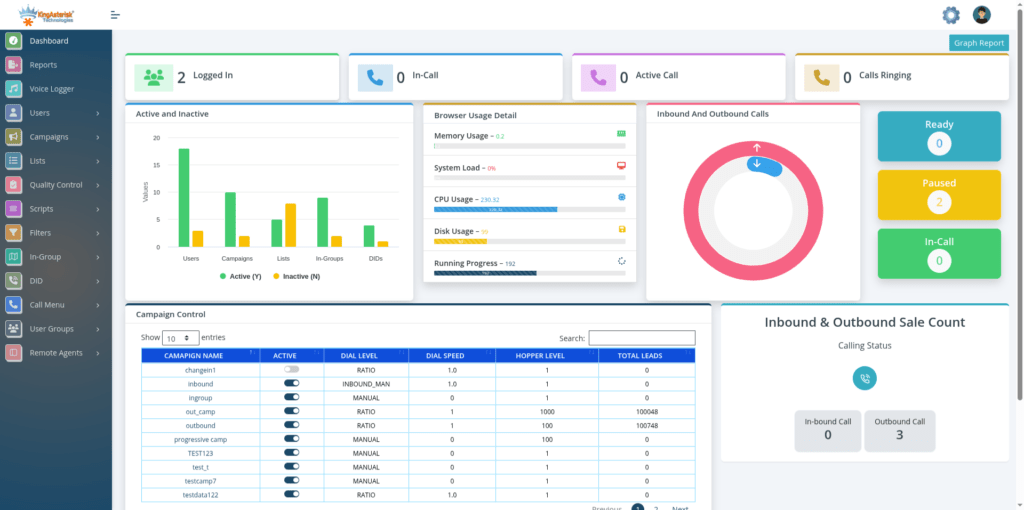
A predictive dialer places several calls per available agent based on historical answer rates, connect times, and abandonment targets, then routes only answered calls to a free agent. It delivers the highest talk-time efficiency but needs careful pacing tuning to stay within local abandonment-rate rules.
Preview Dialer
A preview dialer shows the agent full customer details before a call is placed and lets them choose when to dial. It suits collections, retention, and high-value outbound work in the Philippines where a personalized opening line matters more than raw call volume.
Progressive Dialer
A progressive dialer places one call per available agent, one at a time, the moment that agent is free. It removes most abandonment risk while still cutting out idle manual dialing, making it a common middle-ground choice for mixed sales and support queues.
Power Dialer
A power dialer sits between preview and predictive pacing, auto-dialing a fixed ratio of lines per agent without the statistical modeling a predictive system uses. Smaller Philippine teams often start here before graduating to predictive pacing as call volume grows.
Top 7 Contact Center Dialers in the Philippines
These are the seven systems we see most often across Philippine outbound floors, from Metro Manila BPO campuses to mid-size in-house teams in Cebu and Davao.
1. VICIdial
VICIdial remains the backbone of a large share of Philippine outbound operations because it is open-source, fully customizable, and inexpensive to scale per seat. Teams typically pair it with a local systems partner for setup, carrier tuning, and campaign scripting, since the raw platform requires real configuration work to run well at volume.
2. Asterisk-Based Custom Builds
Beyond VICIdial’s default interface, many Philippine operators commission fully custom dialer logic built directly on Asterisk. This route suits businesses with unusual routing rules, multi-brand campaigns, or reporting requirements that off-the-shelf software cannot match. Our engineering team at KingAsterisk Philippines builds and tunes exactly this kind of custom Asterisk deployment for local BPOs.
3. CRM Dialer Solutions
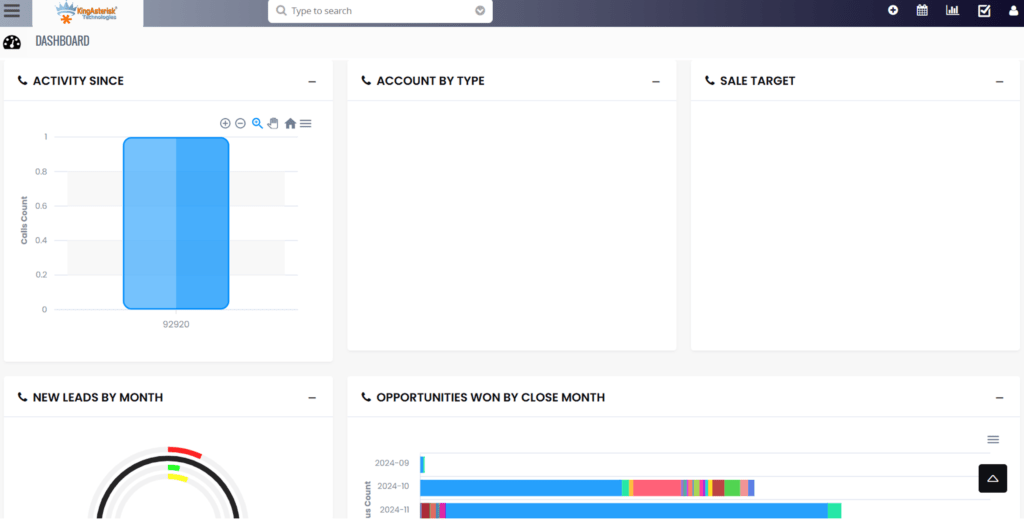
CRM Dialer Solutions connect outbound calling workflows with customer records, helping agents access relevant information while handling calls. They are a strong fit for sales, follow-up, collections, and customer engagement teams that want less manual data entry and smoother agent workflows.
4. Multi-Language Dialer Solutions
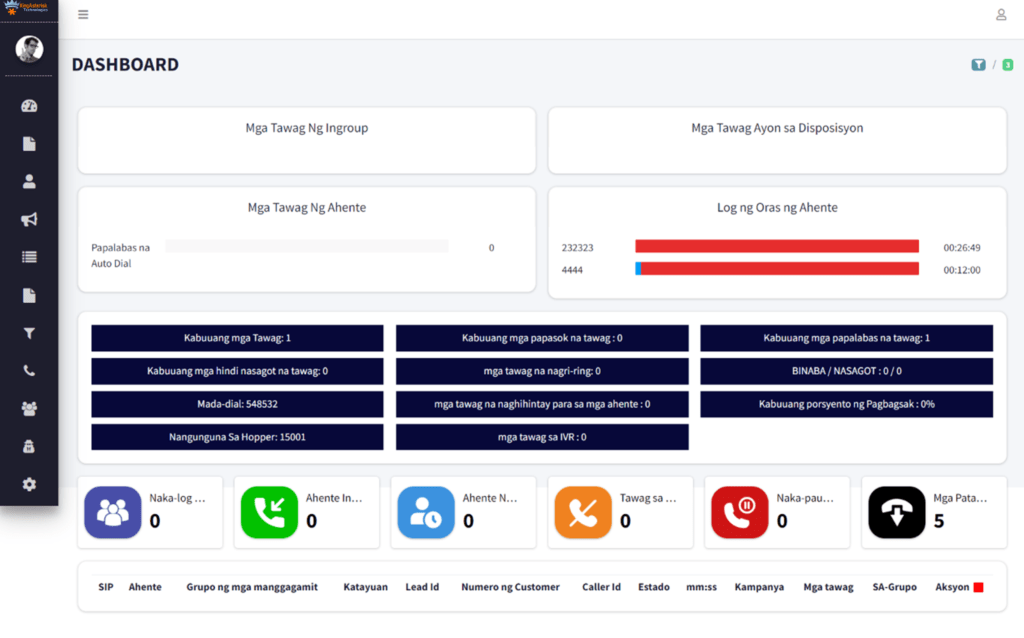
Multi-Language Dialer Solutions are designed for Contact Center teams handling customers across different regions and languages. They can support language-specific campaigns, agent assignment, call scripts, and workflows, making them useful for Philippine teams serving international markets.
5. Custom PBX Solutions
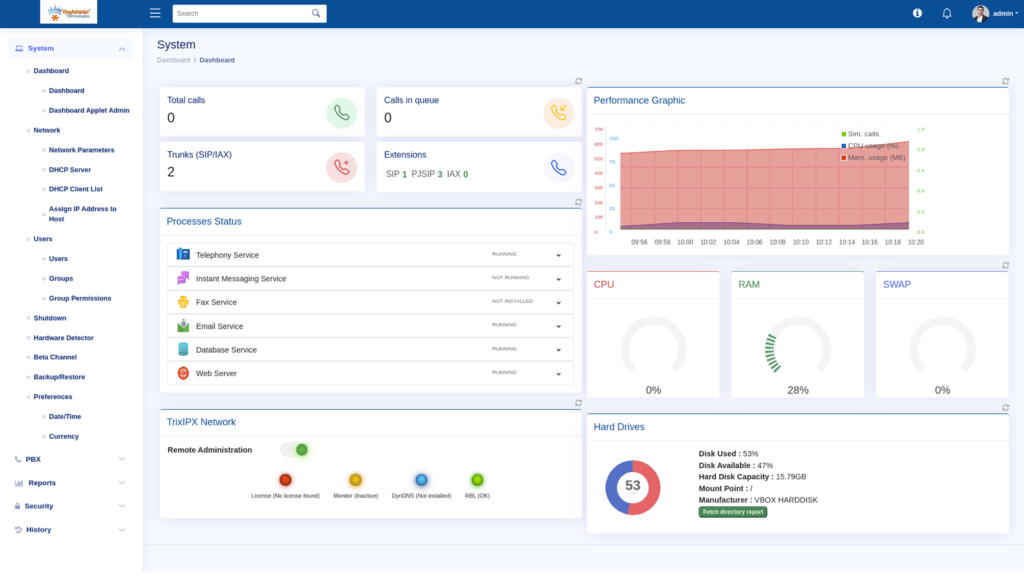
Custom PBX Solutions provide businesses with a communication system tailored to their calling structure and operational requirements. Features such as extensions, call routing, IVR, queues, and department-based communication can be configured around the way each Contact Center operates.
6. Browser-Based Mobile Dialer
A Browser-Based Mobile Dialer allows agents to manage calling activities through a browser-based interface, providing greater flexibility for teams with distributed or mobile work requirements. It can simplify agent access while keeping calling workflows connected to the Contact Center’s existing setup.
7. IVR Solutions
IVR Solutions help Contact Centers manage incoming and outgoing customer interactions through structured voice menus. Businesses can use IVR for call routing, customer verification, self-service options, department selection, and campaign-specific workflows.
Real-World Example: A Manila Outbound Desk Migration
A mid-size outbound team in Metro Manila running roughly 150 seats on a rigid legacy dialer was struggling with a climbing abandonment rate and agents losing minutes between calls. Moving the campaign onto a VICIdial deployment tuned for local carrier routes, with pacing rules rebuilt around their actual answer-rate data, brought abandonment back under their compliance ceiling within the first month while lifting connections per agent hour.
The change came from configuration and carrier tuning, not simply switching software brands, which is the pattern we see across most successful Philippine dialer migrations.
Which Dialer Is Best for Your Contact Center?
There is no single best dialer for every Philippine contact center; the right choice depends on four factors. Campaign type matters first: predictive pacing suits high-volume sales, while preview pacing suits collections or retention work where tone matters more than speed. Compliance exposure matters second, since abandonment-rate limits and time-of-day rules should shape pacing before anything else.
Agent headcount matters third, because predictive dialing only pays off once you have enough simultaneous agents to justify statistical pacing. Integration needs matter fourth: if your team depends on a specific CRM or IVR flow, confirm the dialer supports it natively before signing anything.
Where Philippine Contact Centers Are Growing
Metro Manila remains the largest concentration of outbound and support operations in the country, with Makati, Ortigas, and Quezon City hosting the bulk of enterprise-scale floors. Cebu has grown into a strong secondary hub, particularly for teams serving Australian and North American clients across overlapping shifts.
Davao and the Clark and Pampanga corridor have both picked up smaller but fast-growing operations, often started by teams looking for lower overhead outside Metro Manila while keeping access to skilled agents. Dialer infrastructure decisions increasingly need to account for this spread, since campaigns now regularly run across two or three of these cities at once.
Frequently Asked Questions
Which dialer is best for a contact center❓
The best dialer matches your campaign type and compliance needs rather than any single brand. Predictive dialers suit high-volume outbound sales, preview dialers suit collections and retention, and progressive dialers work well for mixed queues. Most established Philippine operators choose based on agent headcount and required integrations first.
How many types of dialers are there for a contact center❓
There are four core dialer types used across Philippine contact centers: predictive, preview, progressive, and power dialing. Each paces outbound calls differently, trading connection speed against abandonment risk and agent readiness, and many operations blend two or more types across different campaigns rather than standardizing on one.
Can Philippine dialer systems integrate with CRM and IVR platforms❓
Yes. Most modern dialer platforms, including VICIdial and Asterisk-based builds, support integration with common CRM systems and can be paired with IVR menus for pre-call screening or self-service options. The depth of integration varies by platform, so it is worth confirming API or database-level access during evaluation rather than after deployment.
Conclusion
Choosing among the top Contact Center Dialers Philippines teams rely on matching pacing logic, compliance needs, and integration requirements to your actual campaign rather than picking the most familiar brand name. VICIdial and Asterisk-based builds continue to lead in flexibility and cost control for Philippine operators in Manila, Cebu, and Davao, while enterprise platforms remain the right fit for larger, multi-channel accounts.
If you are evaluating a new dialer or tuning an existing deployment, our engineering team at KingAsterisk Philippines can walk through your campaign requirements and recommend a setup built for your floor. Reach out to us to start that conversation.
About the Author: Written by a Senior Systems Engineer at KingAsterisk Philippines, with over a decade of hands-on VICIdial and Asterisk deployment experience across Philippine outbound and support operations.