
A PBX phone system is the backbone of internal and external voice communication for any contact center, routing calls between extensions, outside lines, and departments without a manual switchboard operator. Businesses across the Philippines rely on this PBX technology to connect agents in Manila, Cebu, Davao, and Iloilo through a single unified network, whether staff sit in one office or across several branches.
This guide breaks down what a PBX system actually does, how it compares to internet-based calling platforms, what a mobile PBX extension means for remote agents, and what realistic pricing looks like for a contact center-grade deployment.
What Is a PBX Phone System?
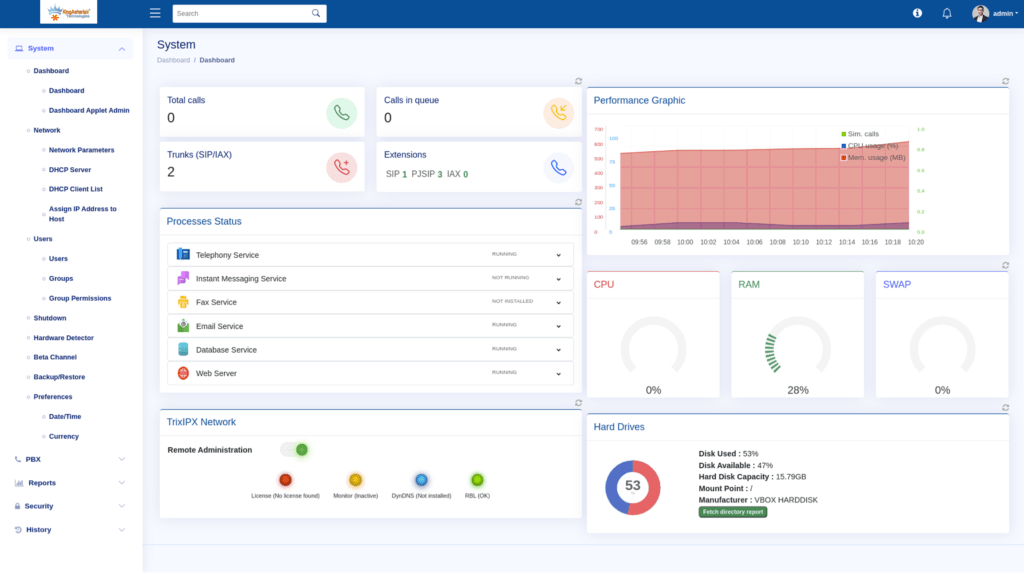
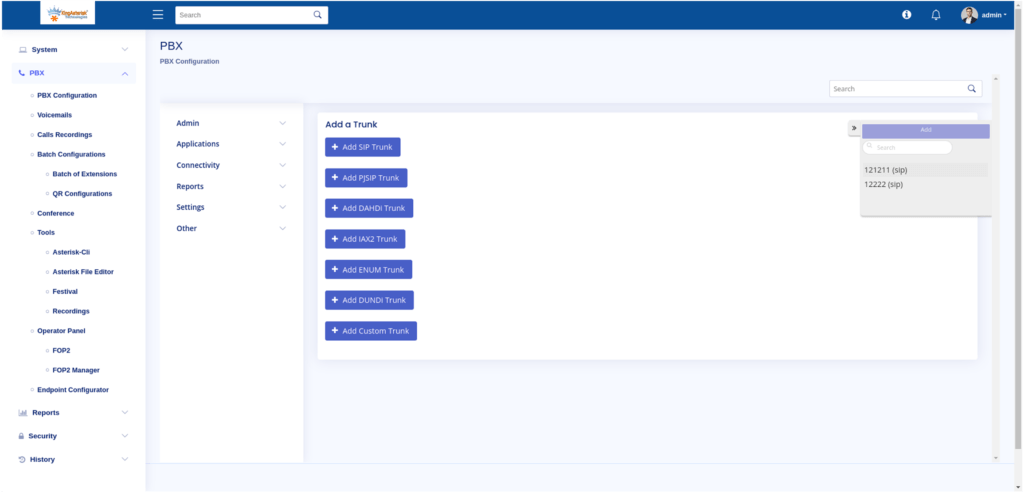
A PBX phone system, short for Private Branch Exchange, is the internal switching engine that connects every extension in a contact center to each other and to the outside telephone network. Instead of assigning a separate outside line to every desk, the PBX phone system shares a pool of trunk lines across all agents, applies routing rules, and directs incoming traffic through IVR menus and call queues.
At KingAsterisk, our VICIdial system deployments are built on Asterisk, giving operators full control over extension logic, queue behavior, and reporting.
PBX Phone System vs. Internet-Based Calling Platforms
A traditional PBX phone system historically ran on dedicated telephone wiring and on-site switching hardware, while newer internet-based calling platforms carry voice traffic over a standard data network using SIP trunks. Most contact centers today do not have to pick one or the other.
A modern PBX phone system blends the internal routing logic operators know how to manage with SIP trunking for external connectivity, giving teams the reliability of a PBX architecture along with the flexibility to add remote extensions without running new copper lines to every branch.
Is a PBX Phone System Still Relevant Today?
Yes. A large share of business process outsourcing operators and enterprise support desks across the Philippines still run on PBX-style architecture because it gives IT managers direct control over routing, compliance logging, and uptime, rather than depending entirely on a third party. For contact centers handling regulated data or high call volumes, that level of control is often the deciding factor over simpler consumer-grade alternatives.
What Does “Mobile PBX” Mean?
Mobile PBX extends a PBX phone system to an agent’s smartphone or laptop softphone, so someone working from home in Cebu or covering a shift outside the Davao office keeps the same extension, transfer rights, and queue access as a desk-based agent. Calls, hold music, and transfers behave identically no matter where the agent is logged in from, which matters for contact centers running hybrid or multi-city teams.
Core Components of a Modern PBX Phone System
Every functioning PBX phone system is really a stack of coordinated components. Understanding each piece makes it easier to evaluate a proposal from any PBX company.
PBX Dialer
The dialer engine sits on top of the PBX phone system and manages outbound campaigns, whether that means preview dialing, progressive dialing, or predictive dialing for high-volume outreach. It pulls from a contact list, connects an available agent the moment a call is answered, and logs disposition codes back to the reporting layer.
PBX Server
The PBX server is the machine, physical or virtualized, that runs extension logic, call detail records, and failover rules. Sizing it correctly for expected concurrent call volume and building in redundancy is usually the single biggest factor separating a stable deployment from one that drops calls during peak hours.
PBX Intercom System
A PBX intercom system allows one-way or two-way paging between desks, departments, or entire branches without dialing a full extension. Supervisors use it for floor announcements, quick check-ins, or emergency alerts across a contact center floor.
Real-World Example: A Multi-City Contact Center Deployment
A 120-agent contact center with its main hub in Manila and a secondary team in Cebu came to us running two disconnected phone setups, with satellite agents in Davao and Iloilo dialing in through personal mobile numbers. We deployed a unified PBX phone system with a central server in Manila, redundant trunking to Cebu, and mobile PBX extensions for the Davao and Iloilo staff.
Inter-branch calls that used to route through the public network now stay on the internal CRM system entirely, and supervisors gained a single queue view across all four cities instead of four separate reports.
Choosing a PBX Company and Understanding PBX Phone System Pricing
PBX phone price varies widely based on extension count, server specifications, redundancy requirements, and how much custom IVR or reporting logic a contact center needs, so treat any flat quoted figure with caution.
When evaluating a PBX company, look past the sticker price and ask about deployment experience with contact center-scale traffic, response times for support tickets, and whether the vendor builds on an open, auditable platform such as Asterisk rather than a closed system you cannot inspect or modify later.
Frequently Asked Questions
How is a PBX phone system different from internet-based calling platforms❓
A PBX phone system manages internal extension logic and routing, while internet-based calling platforms carry the actual voice traffic over a data network using SIP trunks. Most Predictive Dialer deployments combine both: PBX-style control over extensions and queues, paired with SIP trunking for flexible, lower-cost outside connectivity.
Do people still use PBX❓
Yes. Many contact centers, BPOs, and enterprises across the Philippines still run PBX-based systems because they offer direct control over routing, compliance logging, and uptime. For teams handling high call volumes or regulated data, that control often outweighs the appeal of simpler, less configurable alternatives.
What does “mobile PBX” mean❓
Mobile PBX extends a PBX phone system’s extension, transfer, and queue features to an agent’s smartphone or laptop softphone. It lets remote or field-based agents in cities like Cebu or Davao work as if they were sitting at a desk phone in the main office, with no difference in call handling.
What is a realistic PBX phone system price❓
PBX phone system price depends on extension count, server capacity, redundancy needs, and custom features like IVR flows or reporting dashboards. Small teams may need a modest single-server setup, while a multi-city contact center requires redundant servers and trunking, so an accurate quote should always follow a needs assessment, not a flat rate.
Conclusion
A PBX phone system remains one of the most dependable ways to unify call routing, intercom communication, and agent extensions across a growing contact center, whether that team sits entirely in Manila or spans Cebu, Davao, and Iloilo.
The right PBX phone system gives supervisors one queue to monitor, gives remote agents mobile PBX access without losing functionality, and gives IT managers a platform they can size, audit, and scale as headcount grows.
If your team is evaluating a new deployment or outgrowing its current setup, our engineers can walk through your call volume, branch locations, and budget to recommend a configuration that fits. Contact KingAsterisk Technologies today to start that conversation.